Confirm eligibility and entitlement
The Certificate of Eligibility verifies the service-related benefit and shows entitlement information used in the loan review.
A VA-backed mortgage can offer meaningful advantages to an eligible borrower. The useful conversation goes beyond “zero down” to include entitlement, the complete payment, cash to close, property condition, appraisal, and the life you want the loan to support.
The Department of Veterans Affairs guarantees a portion of a loan made by a participating private lender. Eligible borrowers still need to meet the lender and VA requirements for income, credit, debts, assets, occupancy, and the property.
The Certificate of Eligibility verifies the service-related benefit and shows entitlement information used in the loan review.
No down payment may be possible in an eligible scenario, but value, entitlement, qualification, and cash-to-close details still matter.
VA-backed loans do not require monthly PMI, though a one-time VA funding fee may apply unless the borrower is exempt.
Your plan should account for earnest money, inspection costs, appraisal-related timing, closing costs, prepaid taxes and insurance, possible HOA charges, and the VA funding fee when applicable. Seller-paid costs or lender credits may help in an eligible transaction, but they should be evaluated with the purchase contract and full loan pricing.
The comfortable payment is the complete number: principal and interest, property taxes, homeowners insurance, HOA dues, and any other recurring housing obligations. Protecting an emergency reserve can be just as important as minimizing the down payment.
Discuss location, timing, income, debts, cash reserves, prior VA loan use, and the payment that feels responsible.
Confirm eligibility and entitlement, then review income, assets, credit authorization, housing history, and any service-related documentation needed.
Look at the payment and cash to close at more than one purchase price, with the funding fee and local property costs included when applicable.
Once under contract, the lender, agent, appraiser, insurer, title team, and buyer each have important deadlines and responsibilities.
The lender requests a VA appraisal to evaluate market value and applicable minimum property requirements. The appraisal is not a home inspection and is not a guarantee that the home is free from defects. A buyer should discuss appropriate inspections and contract protections with the real estate agent and qualified inspectors.
If an appraisal is below the purchase price, possible next steps may include providing valid market data for a reconsideration of value, renegotiating the price, or deciding whether to bring additional cash. The contract’s VA escape clause and the buyer’s choices should be discussed with the real estate and lending team.
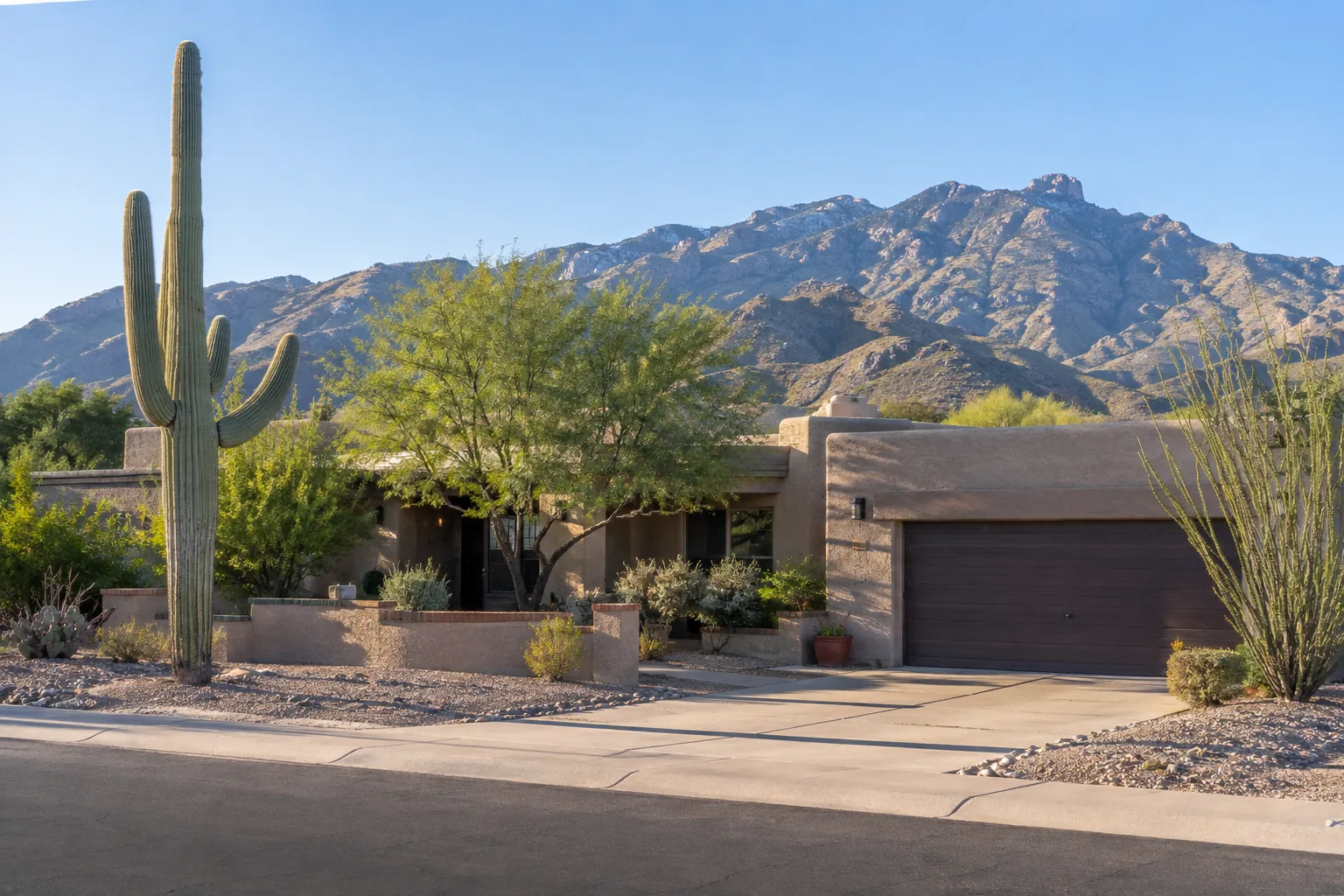
Insurance, taxes, HOA dues, property condition, rural utilities, and seasonal maintenance can shape the plan.
Explore Arizona preapproval →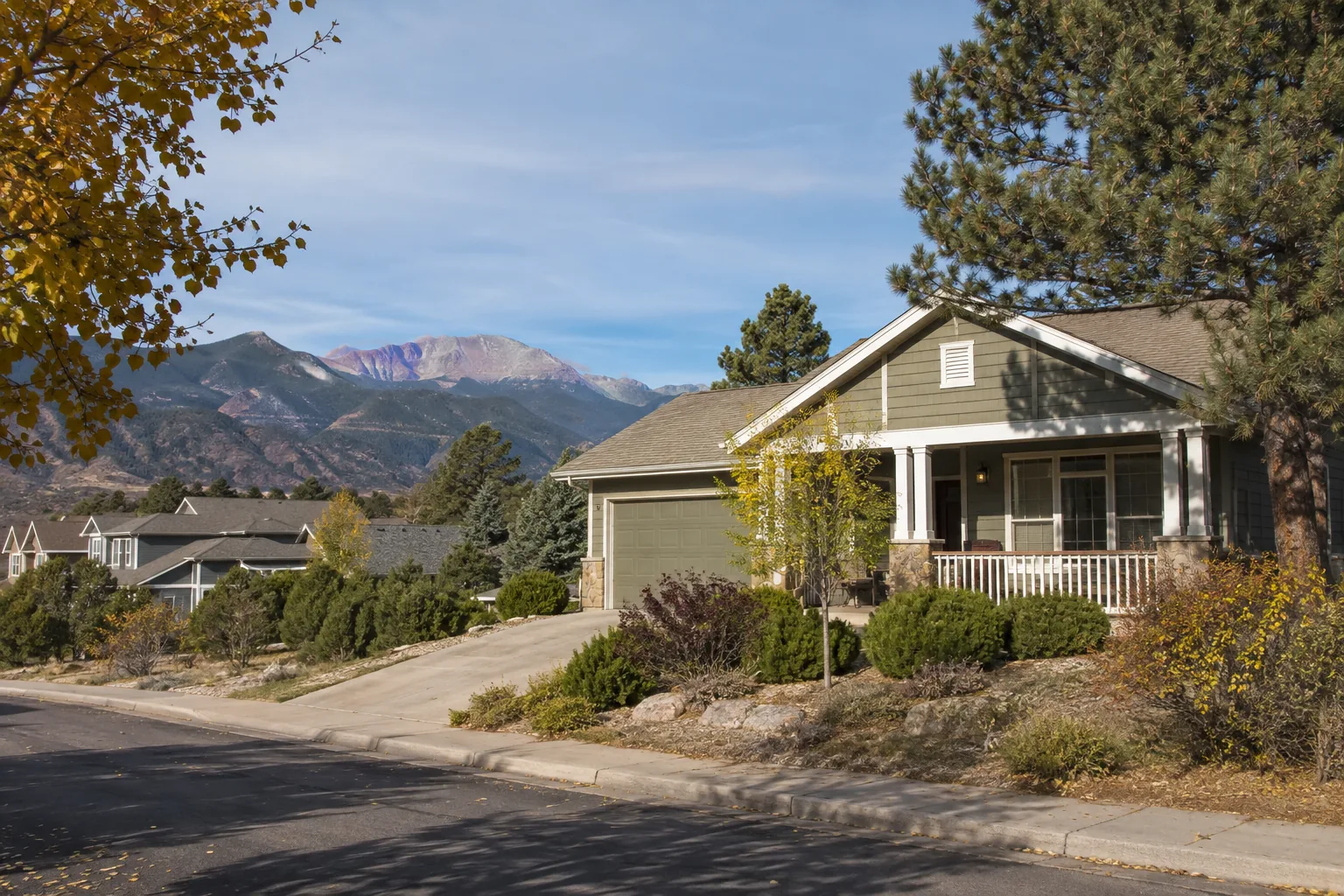
Condos, mountain access, acreage, water, wildfire exposure, HOA structure, and insurance may require extra attention.
Explore Colorado preapproval →Do not email or text Social Security numbers, bank statements, account numbers, or other sensitive records. Aaron will direct you to the secure application portal when a complete review makes sense.
Compare the VA path with any other loan for which you may qualify. Look at rate, APR, discount points, lender fees, funding fee, monthly payment, cash to close, seller-credit strategy, future flexibility, and the time you expect to keep the loan. The strongest choice is the one that fits the complete situation.
For official eligibility and benefit information, visit the VA home loan resource center and the VA homebuying process guide.
An eligible borrower may be able to buy with no down payment when the sales price does not exceed the appraised value and the borrower has sufficient entitlement. A down payment may still be needed in some situations, including certain entitlement or value scenarios. Qualification and property approval are still required.
A Certificate of Eligibility, or COE, shows a lender that the borrower meets the VA service-related eligibility requirement and provides entitlement information. It does not by itself approve the borrower, loan amount, or property. A participating lender can often help request it.
VA-backed loans do not require monthly private mortgage insurance. Many borrowers pay a one-time VA funding fee instead. The amount can depend on the loan type, down payment, and whether the benefit has been used before. Some eligible borrowers are exempt.
No. The VA appraisal addresses value and applicable minimum property requirements for the loan. A home inspection is a separate, more detailed review for the buyer and is generally an important part of understanding the property.
Potentially. Entitlement may be restored after certain prior VA loans are paid off, and some borrowers may have remaining entitlement while another VA loan is outstanding. The COE and complete loan scenario need to be reviewed before assuming how much benefit is available.
A VA-backed purchase loan generally requires the borrower to intend to occupy the home as a primary residence. A one-to-four-unit property may be eligible when the borrower occupies one unit, subject to program, qualification, appraisal, and property requirements.
Some surviving spouses may qualify for a VA home loan benefit. Eligibility depends on the specific circumstances and must be confirmed through the Department of Veterans Affairs and a valid COE.
Share your goals, timing, and concerns. Aaron will help you understand the next practical step without pressure.